HANNAH - Author Q&A
Debut Novel Out Now.
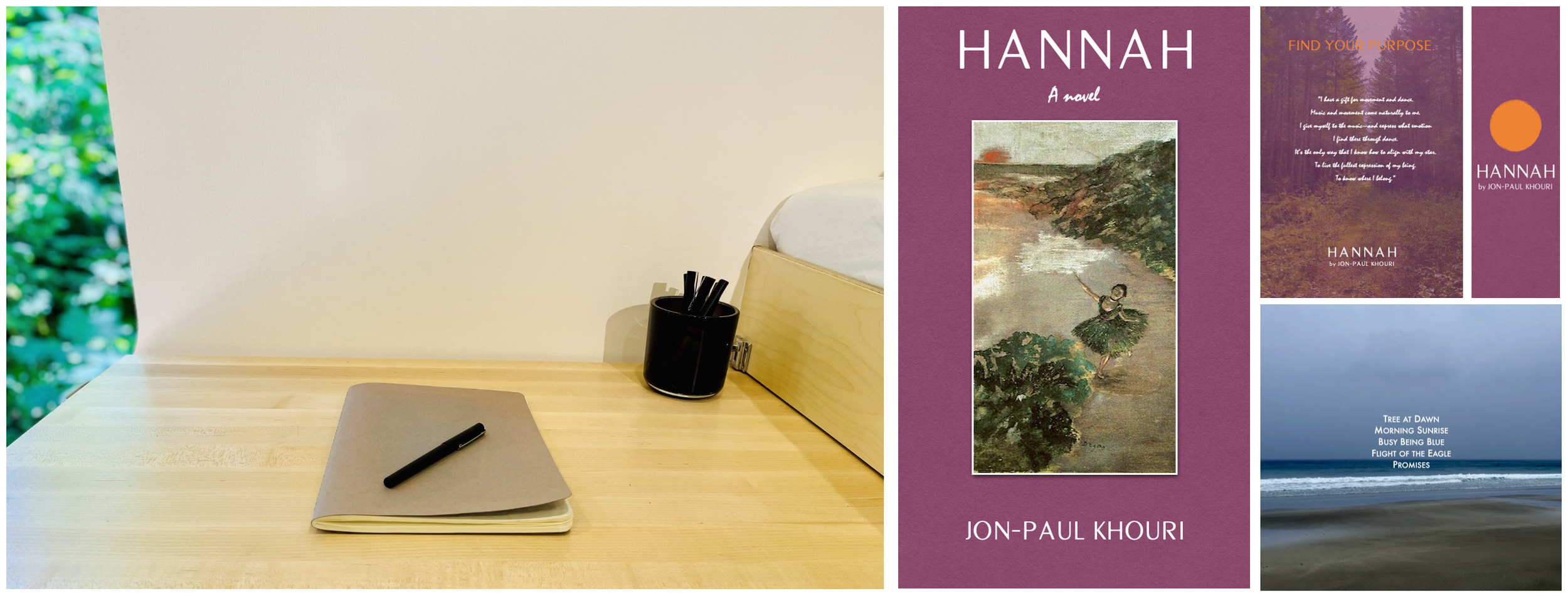
‘Find your purpose.’
Tell us about your book. What is it about?
Hannah is a story of the discovery and creation of self. When the story begins, Hannah, who is nineteen, is called to her purpose. In that call, she is confronted by the unsettling realization that there is a missing person inside of her, without whom it is impossible to fulfill her promise. She calls on her spirit guides and begins the process of gathering the bones of her life, which she will need to sing over once she finds the place where that can happen.
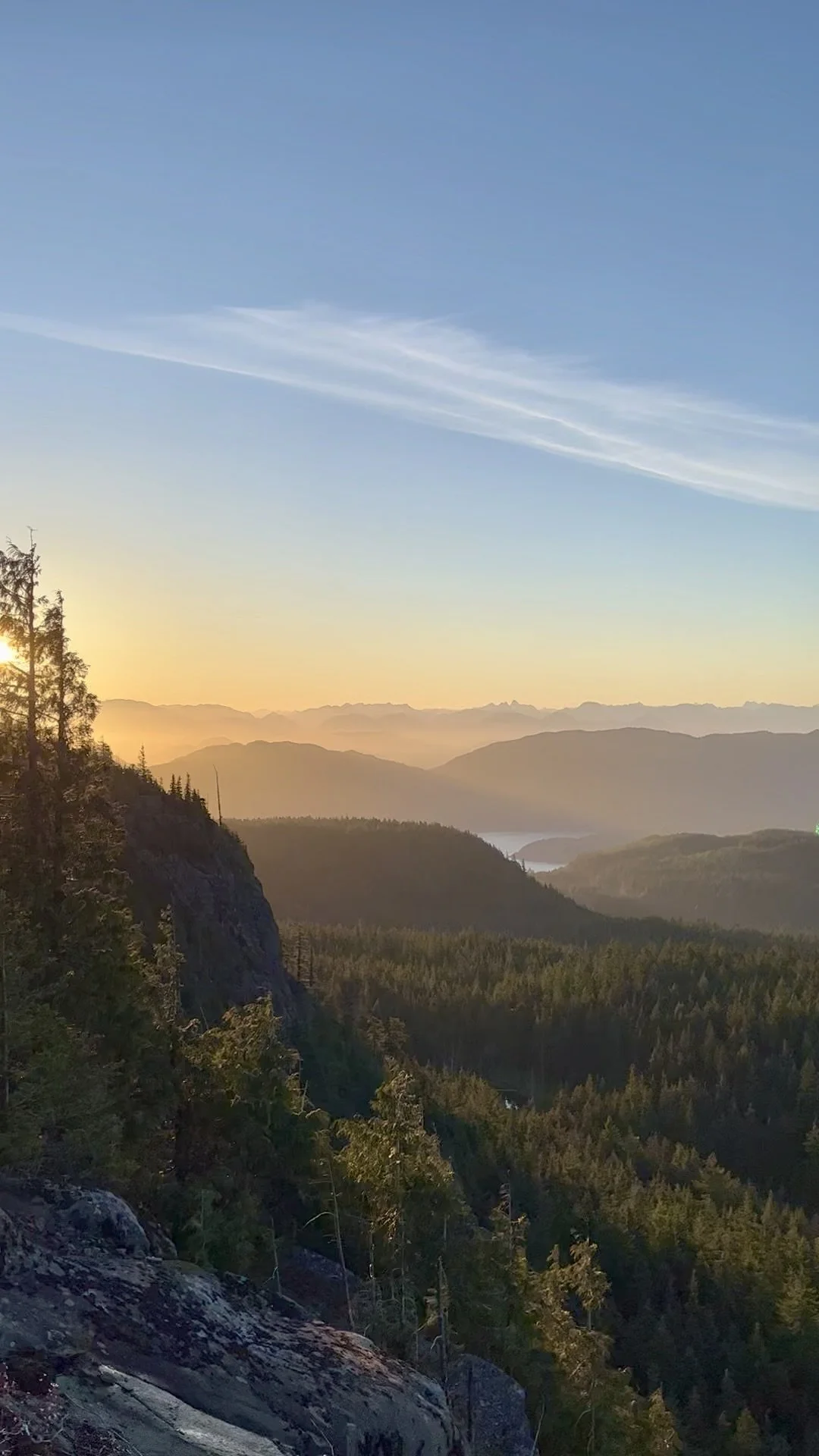
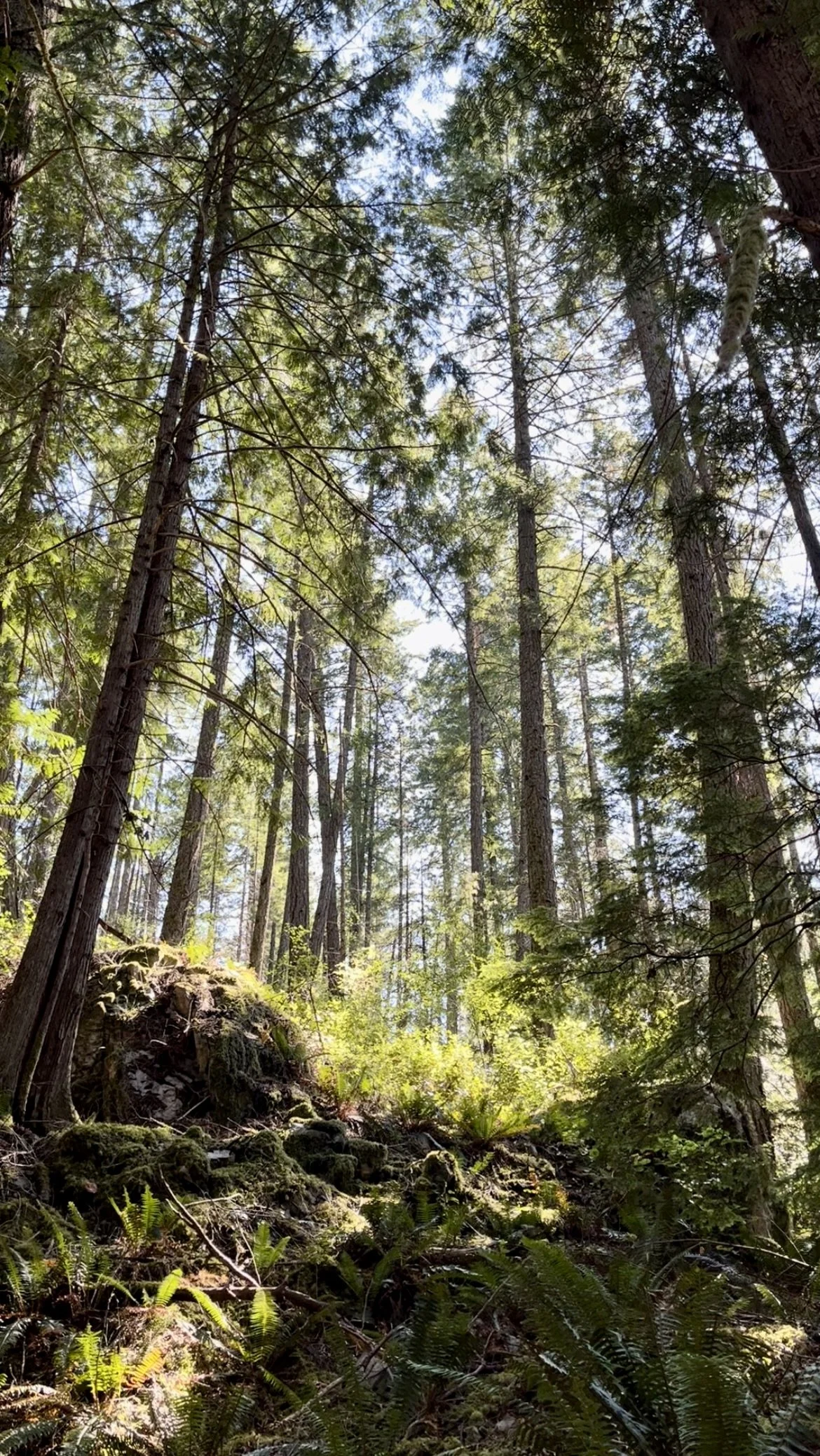
Her emotional journey is reflected in the distances she travels — from the prairies of Saskatchewan to the foothills of Alberta, from the Rocky Mountains east to Montreal, then back across the land to the West Coast — and through the wilderness she encounters there, and the people and relationships that remind her of where she belongs.
What was the most unexpected challenge you encountered while writing the book?
Hannah is nineteen when her selected life begins, and I recognized before writing the book that one of the challenges would be to voice the experience of being nineteen — an experience that if I were to name its essential quality or character would be raw. There is a rawness of emotion and vulnerability that defines that passage in a young person’s life into adulthood. In Hannah’s case, she is an artist as well, so there is the added demand to live on the front lines of her life, as the artist is constantly in a state of becoming.
The story begins with Hannah being called to her purpose, but when we meet her, the chaos of her life and her grief are overwhelming. She lacks the structure to process that grief and therefore is incapable of taking the first steps toward the emotional journey that will allow her to restore the balance required of her to live a life of purpose.
The challenge, as the writer, was to create the appropriate structure to express the rawness of Hannah’s thoughts, feelings, and emotions on the page, while at the same time allowing for the space and spontaneity I found there to colour what she is experiencing — with all the contradictions and messiness that live at the heart of being human but that can feel especially acute when a person is nineteen.
Can you share a moment from your personal life that inspired a scene or character in the book?
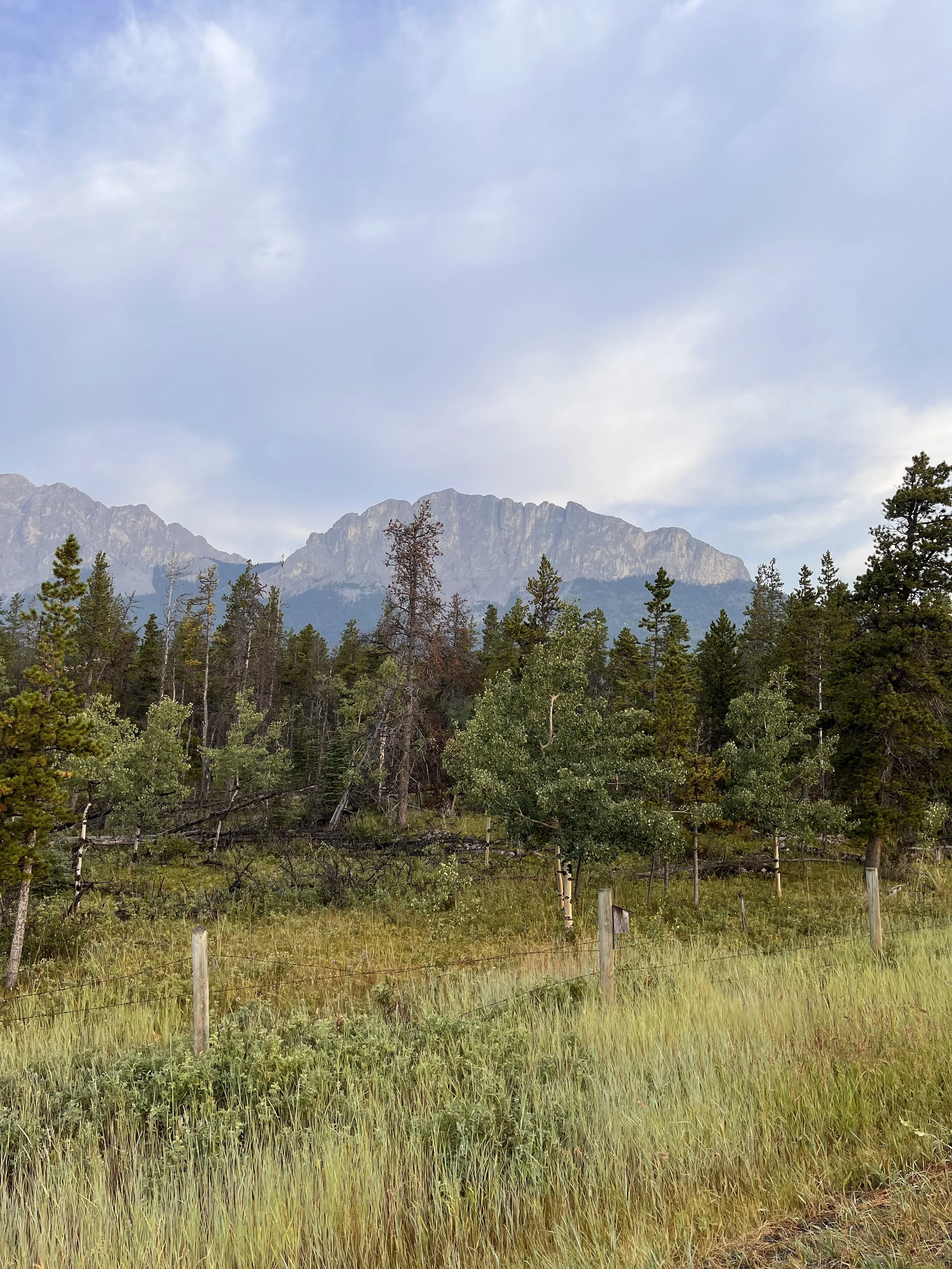
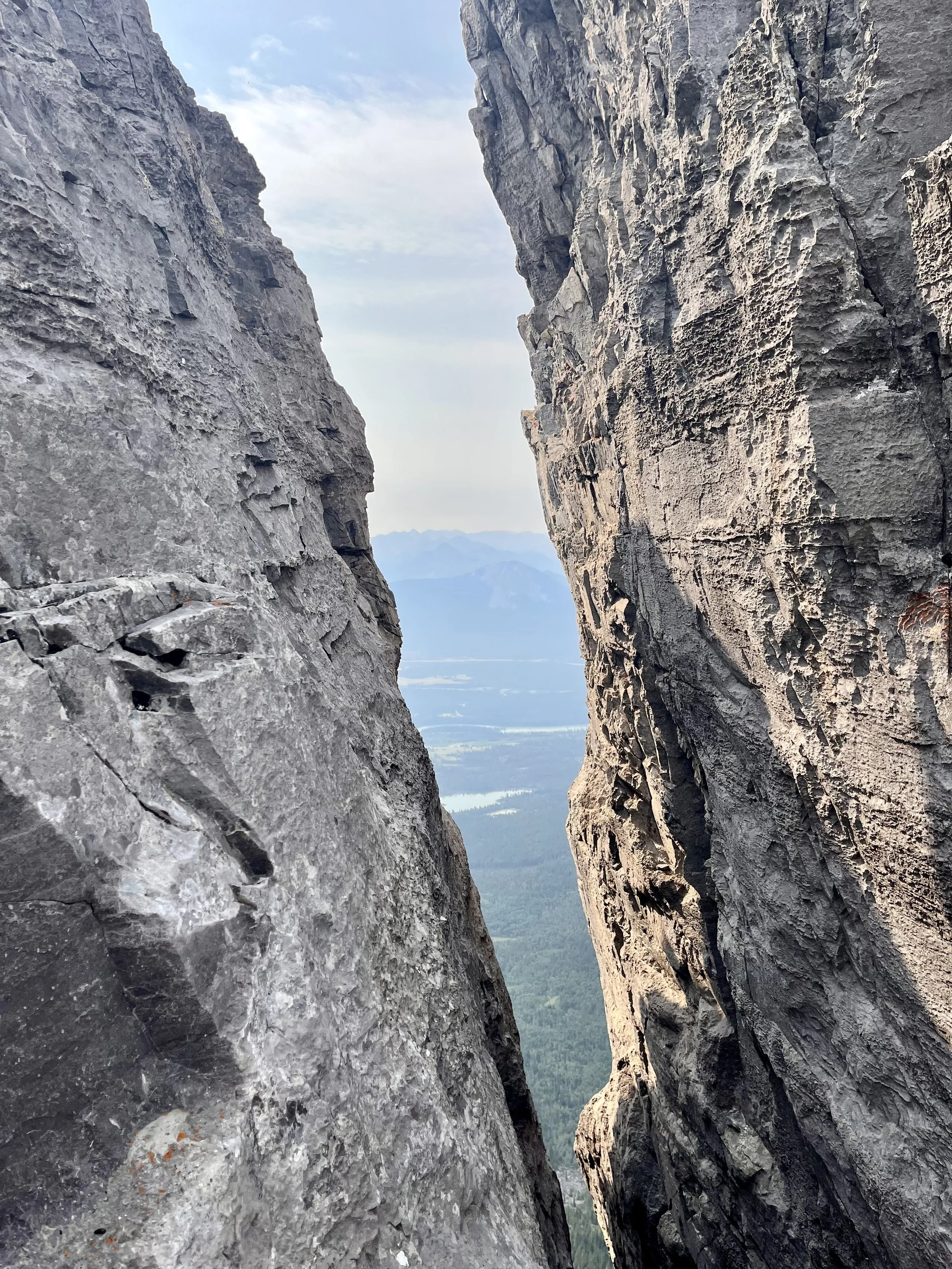
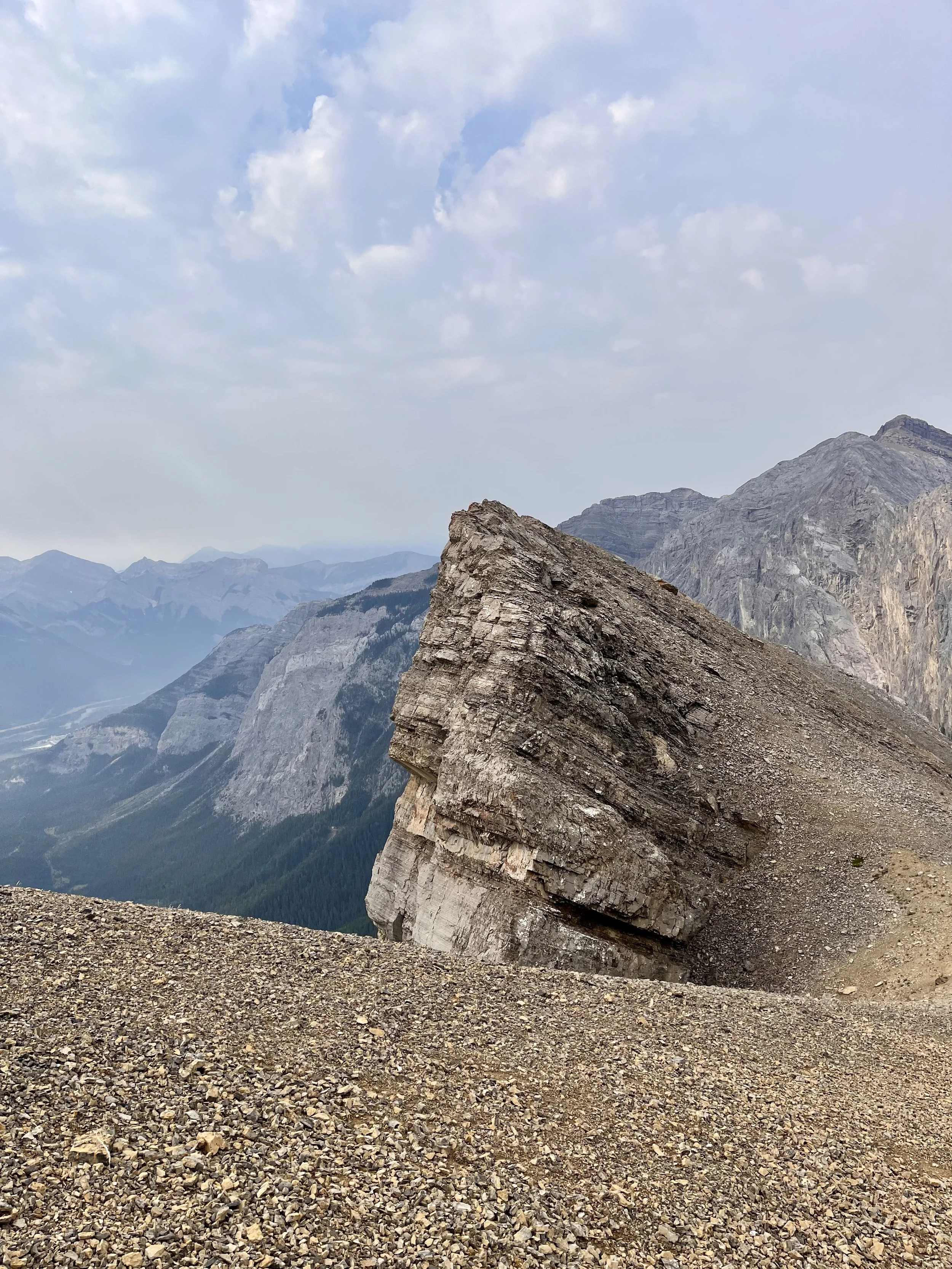
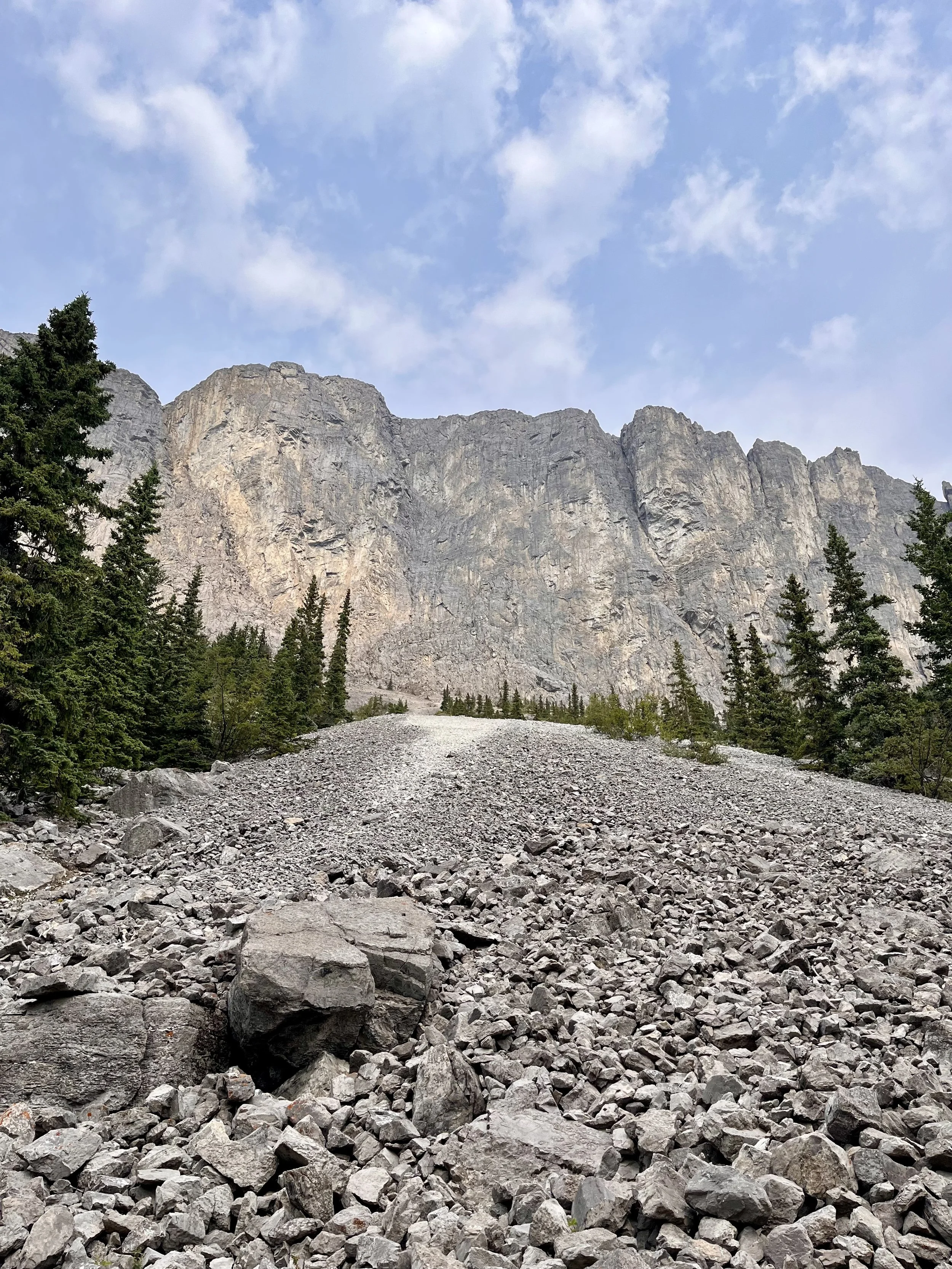
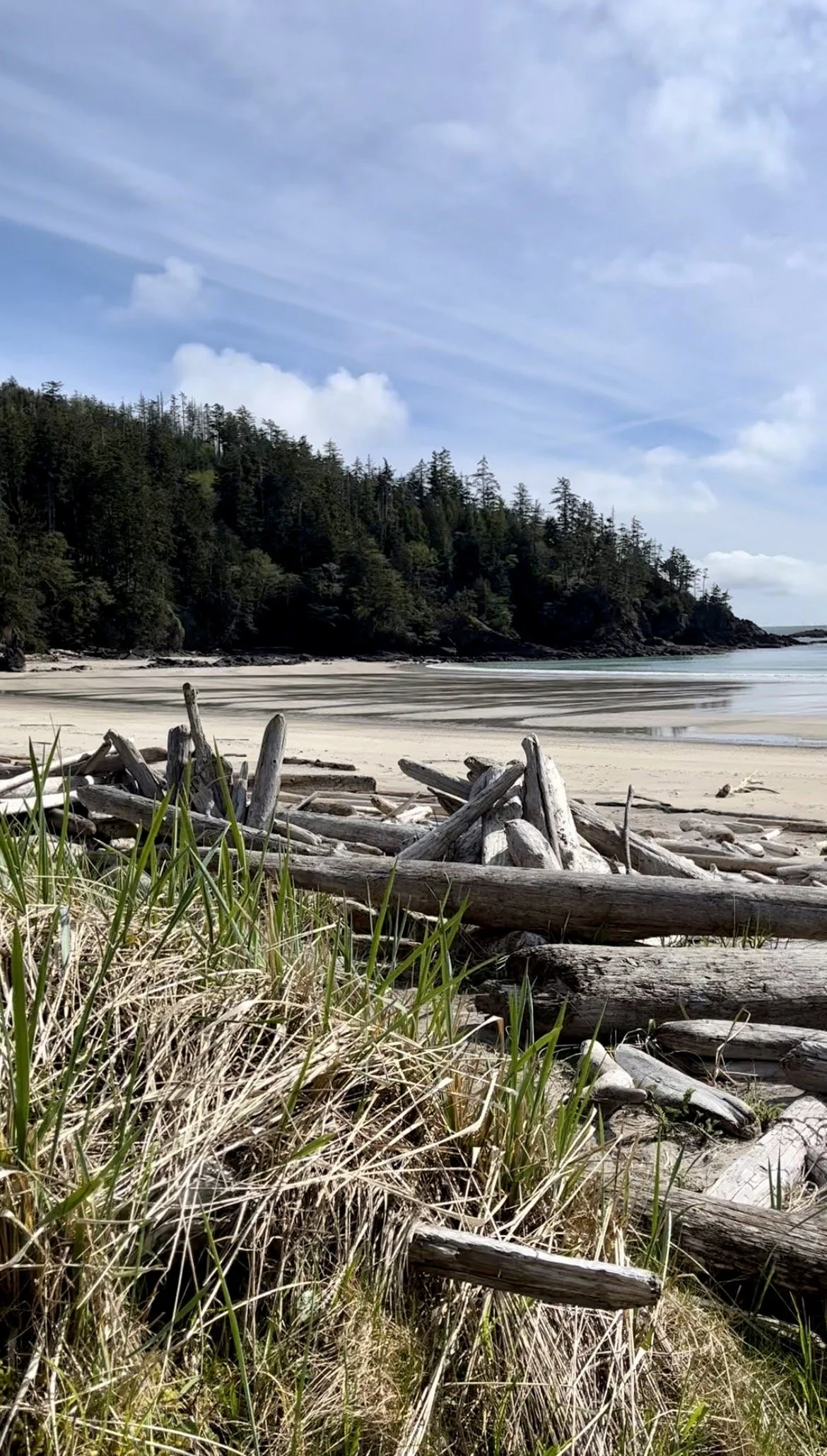
The character of the wilderness in Hannah plays a central role in the telling of the story. As a writer, you write what you know, and the wilderness I describe in the book speaks to the wilderness that inspired me when I was growing up: the wilderness of the prairies, the foothills, the mountains, and the West Coast. In Hannah, much of the story unfolds within that wilderness and much of what is experienced there reflects the interior landscape of Hannah’s psyche, including the complicated state of being she is in when she is called to her purpose.
What research did you conduct for this book, and did you uncover anything surprising or fascinating?
There was a lot of reading about the time and place that Hannah’s life begins in the novel. I listened to music and watched many films of the day; spent time with the artists and the compositions that they created that live in the story Hannah tells; experienced the wilderness and the terrain that I write about in the book for myself. These are a few of the components that were integral to my research.
Were there any themes you consciously set out to explore in this book?
Only the themes that arose out of understanding the circumstances of Hannah’s life. From a very young age Hannah experienced a great deal of loss, but also a very special kind of love and relating to the world and to the people with whom she had relationships.
To understand Hannah’s grief requires living at the heart of that loss and the fragmentation that it has created in her psyche — and to listen in those places where she now finds herself most alone. The story begins when she is called to her purpose, and in that call, she learns that she is bound to her promises — the promises to those that she lost, but most importantly, the promise she made to herself.
Were there any authors or artists that you drew inspiration from in the writing of this book?
There is a piece of music that Hannah hears, the Elgar Cello Concerto performed by Jacqueline du Pré, and it haunts her. It haunts her until she is able to find expression for it in her own way, and the piece, along with the history of it, becomes a part of her emotional journey. The music itself is so beautiful and the performance that Jacqueline du Pré gives is so masterful, you really can’t help but be inspired by it in some way.
What's one piece of feedback you received during the writing process that significantly impacted the final product?
I was reminded of a quote that came to me a very long time ago from my teacher and mentor that speaks to the emotional journey that Hannah finds herself on: ‘The actor must crave insecurity, the unknown, the uncharted boundaries of imagination, because traveling along that edge leads to the promised land of creativity.’ It reminded me that life isn’t about finding yourself; life is about creating yourself. Find your purpose — your passion — and play!
How do you approach world-building in your writing?
I begin with the characters: I try to understand their circumstances, their relationships, and the emotional conflict that those dynamics create. Beyond an attempt to understand who they are, that exploration will invariably lead me to understand the time and place in which their selected lives begin. Their experience, both within and without, informs the world that they inhabit and ultimately the world that they seek to create for themselves.
Are there any characters in the book that you relate to on a personal level?
I relate to all of them — otherwise, it would not have been possible for me to write for them in the book.
How did you approach writing dialogue, and how do you go about crafting authentic conversations?
Again, I begin with the characters — their circumstances, relationships, and the emotional conflict that arises between those dynamics. Once I’ve lived sufficiently at the heart of those dynamics, I begin to understand for myself what the characters’ needs are — what they want, what is in the way of what they want, and ultimately what the actions are that they take to get what they want.
The writing, including the dialogue, is born out of the circumstances and relationships but more specifically out of the actions; the doing. It not only informs the kinds of conversations that the characters are having but also colours the language with the emotions that exist within them at the moment they are in dialogue. In those moments I am listening from the point of view of both characters, and the authenticity comes from the specificity that I find within the dynamic of their relating.
Is there a particular scene or passage you’re incredibly proud of?
I have found myself going back to the second part of the book since writing it on different occasions. That’s where a lot of the dialogue I describe unfolds. The relating and sharing that Hannah experiences in that place is very comforting, and I feel comforted myself when reading it.
What was the most challenging scene for you to write, and how did you overcome it?
There is a degree of fragmentation that Hannah is experiencing in her psyche throughout the story, but that is more pronounced in the first part of the book. In that moment she is experiencing a profound level of grief and trying to understand its root causes, and what she needs to do to alleviate the discomfort that she feels, and the distress that it is causing her. It marks the beginning of the emotional journey that she goes on and that is the most important thing — that she goes on that journey.
The challenge in writing from that state of being is that there is a degree of spontaneity required to write those moments, and that is a spontaneity that Hannah is unable to locate within herself. Most fundamentally because she does not have the support or structure in her life to confront the chaos that she is living with. She is struggling to be alive and present with it, and yet the psychic energy that lives at the heart of that chaos is what she needs, not only to survive but to overcome the obstacle that is keeping her from realizing her purpose.
To go back to what I said before, when you are nineteen, there is a rawness about how you are experiencing yourself in the world, so I understood that the challenge in writing those passages would require a rawness of emotion that will sometimes disfigure the perfect image of the prose that you may have in mind. In the same way that we have a perfect image of ourselves that keeps us from touching on those emotions in the first place for fear that things won’t look the same after.
At some point, I just had to let that go and trust the structure that I had built with the outline — trust that the spontaneity I needed to write those passages would be there and allow for what I experienced there, with all of its contradictions, to exist on the page.
What was the most rewarding moment you experienced during the writing process?
The writing itself. Once Hannah emerged on the page it was a joy to write for her — even in the moments that were challenging. In fact, the most rewarding moments in our lives are very often born out of challenging circumstances, and the story that the book tells mirrors that to some degree: Hannah’s emotional journey mirrors the process of self-discovery, and for me, as the writer, it was rewarding to experience what Hannah discovers there.
What do you think makes your book stand out?
Hannah’s story is emotionally impactful. Those are always my favourite stories. The characters and the relationships are resonant, and the world in which the story unfolds is vital and alive.
What would be essential to preserve if your book were adapted for film?
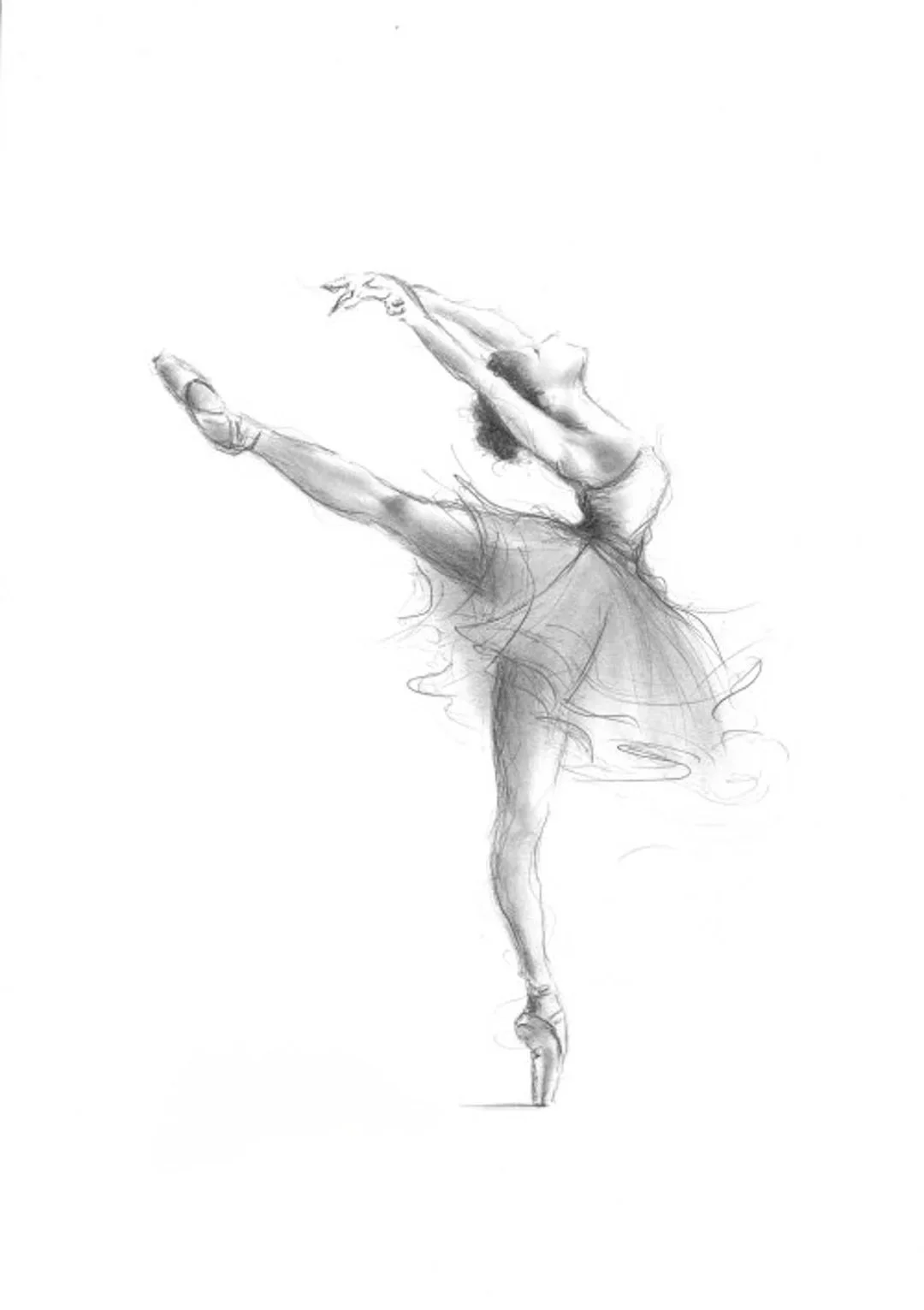
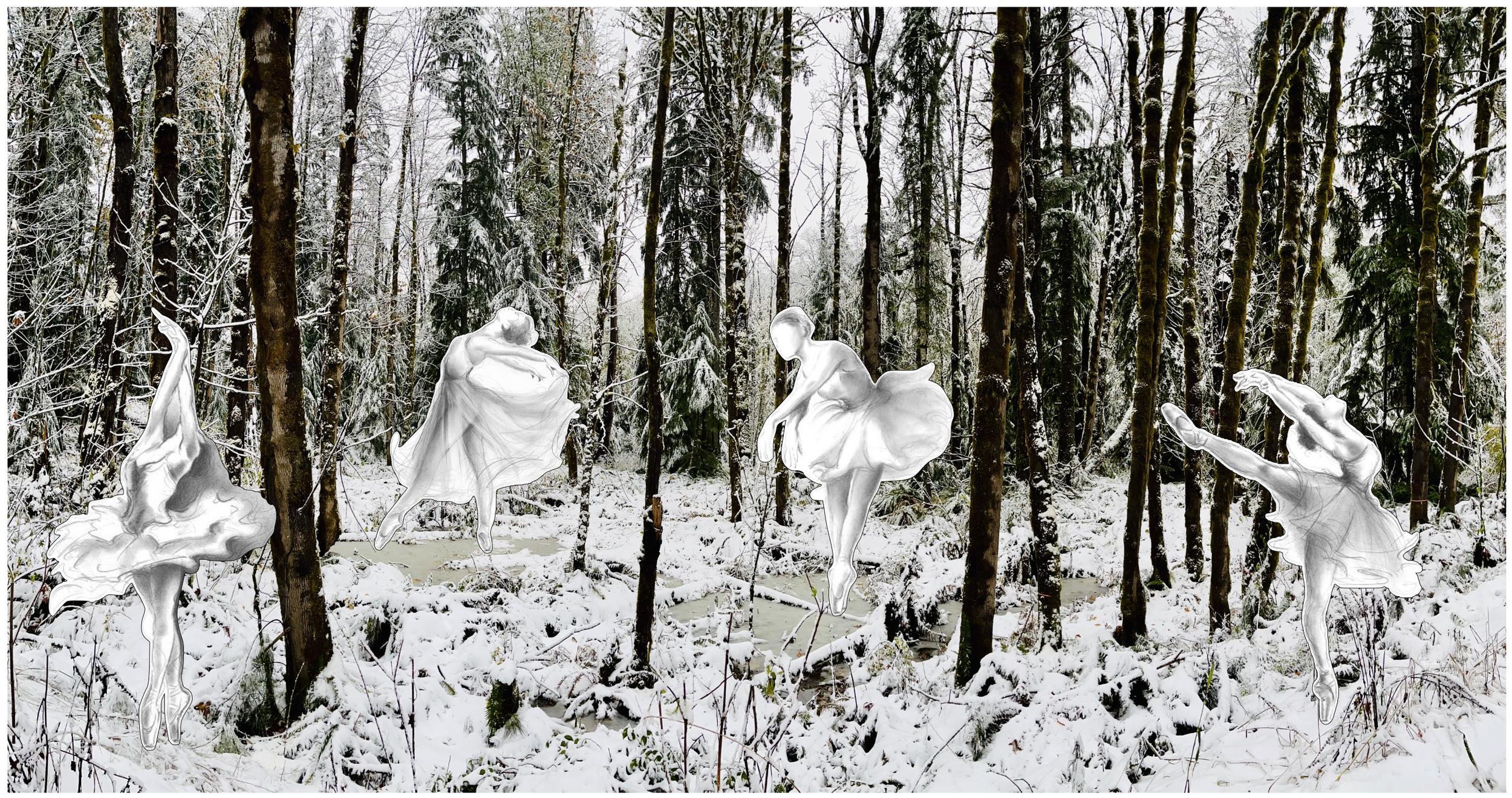
The character of time and of place. The relationships within. The emotional core. The wilderness. The music. The dancing.
Many writers describe the strange experience of rereading their work years later. What aspects of this book might surprise your future self?
If I knew the answer to your question now, it would hardly come as a surprise to my future self! Following the thread of our conversation around the structure of the work itself, my hope is that I will find it to be as spontaneous, playful, and emotionally impactful as I do now.
How do you hope the book will impact your readers?
In the same way that Hannah is impacted by the emotional journey that she goes through.
What are you working on next?
I’m writing a piece for the theatre.