HANNAH - Author Q&A/Look Inside (Part Two)
Debut Novel Out Now.
Book Release & Live Reading
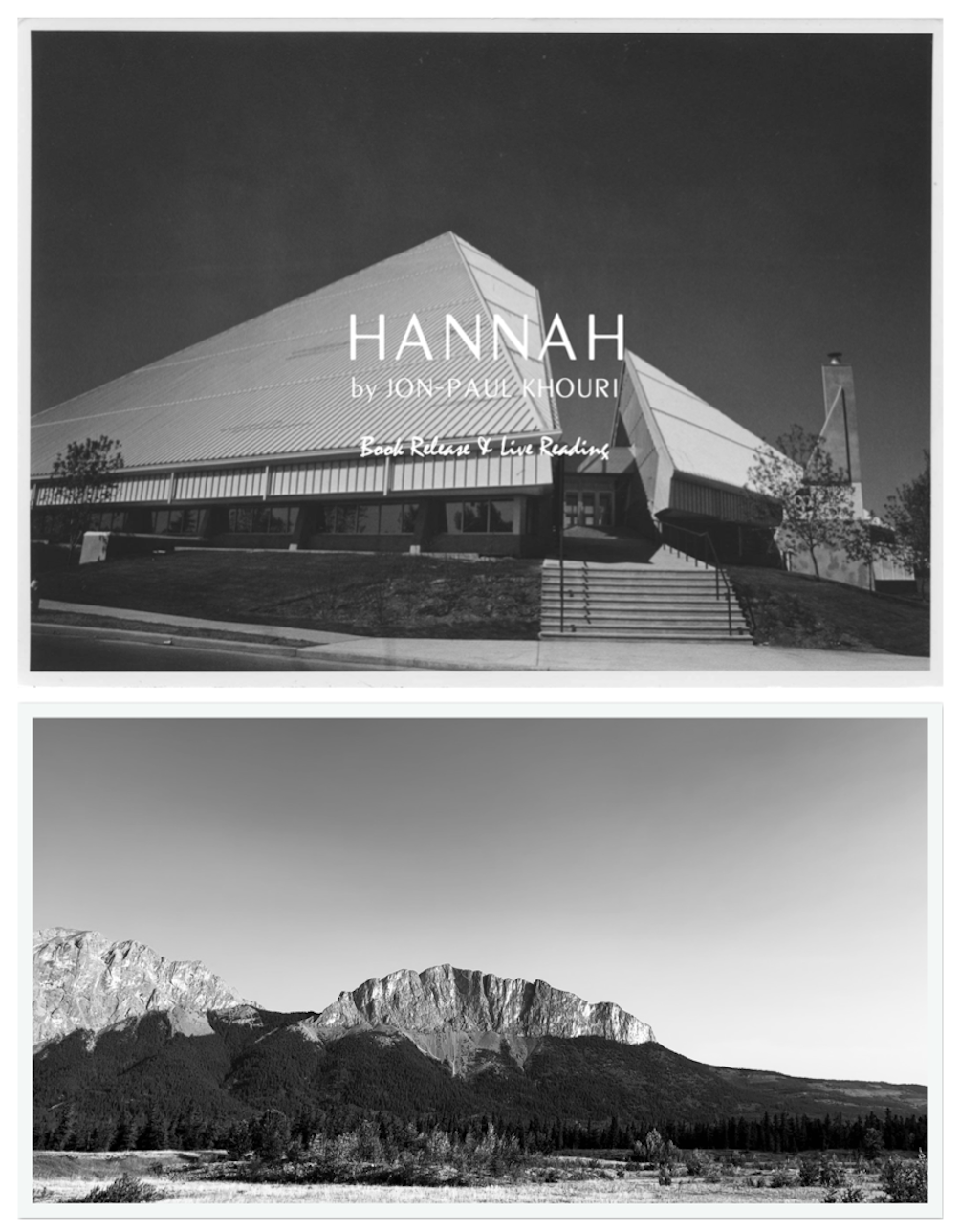
The Book Release and Live Reading Event for HANNAH, the debut novel by Calgary born author JON-PAUL KHOURI, was held at the Fish Creek Public Library on December 10th in Calgary…
The Fish Creek Library opened in June of 1985. The design of the building was inspired by the mountains that can be seen from the surrounding neighbourhoods, including from the ridge overlooking Fish Creek Park.
The headwaters of Fish Creek originate in the foothills of the Rocky Mountains that you can see from that ridge, before joining the Bow River just past Hull’s Wood south from there.
The headwaters of the Bow River also originate in the Canadian Rockies, winding its way through the mountains, then through the Bow Valley—as can be seen clearly from the top of Îyâ Mnathka (Yamnuska)…
That’s where the storytelling began on Wednesday night, and what follows below is a sampling of the conversation with those who were in attendance, along with the questions that were sent by those who were too far away to be there.
Author Q&A (Part Two)
Tell us about your book. What is it about?
HANNAH is a story of the discovery and creation of self. When the story begins, Hannah, who is 19 and a dancer, is called to her purpose. In that call she is confronted by the unsettling realization that there is a missing person inside of her, without whom it is impossible to fulfill her promise. She calls on her spirit guides, and begins the process of gathering the bones of her life, that she will need to sing over, when she finds the place where that can happen.
Her emotional journey is reflected in the distances she travels—from the prairies of Saskatchewan to the foothills of Alberta, from the Rocky Mountains east to Montreal, then back across the land to the West Coast—and through the wilderness she encounters there, and the people and relationships that remind her of where she belongs.
What was the most unexpected challenge you encountered while writing the book?
Hannah is 19 when her selected life begins and I recognized before writing the book that one of the challenges would be to voice the experience of being 19—an experience that if I were to name its essential quality or character would be ‘raw:’ There is a rawness of emotion and vulnerability that defines that passage in a young person’s life into adulthood. In Hannah’s case, she is an artist, as well, so there is the added demand to ‘live on the front lines of her life,’ as the artist is ‘constantly in a state of becoming.’
The story begins with Hannah being called to her purpose, but when we meet her the chaos of her life and the grief that she is experiencing there, is overwhelming her. She lacks the structure to process that grief, and therefore is incapable of taking the first steps towards the emotional journey that will allow her to restore the balance that is required of her to live a life of purpose.
The challenge, as the writer, was to create the structure that I needed in order to be able to express the rawness of Hannah’s thoughts, feelings, and emotions on the page— while at the same time allowing for the space and spontaneity I found there to colour what she is experiencing—with all of the contradictions and messiness that live at the heart of being human, but that can feel especially amplified when a person is 19.
Can you share a moment from your personal life that inspired a scene or character in the book?
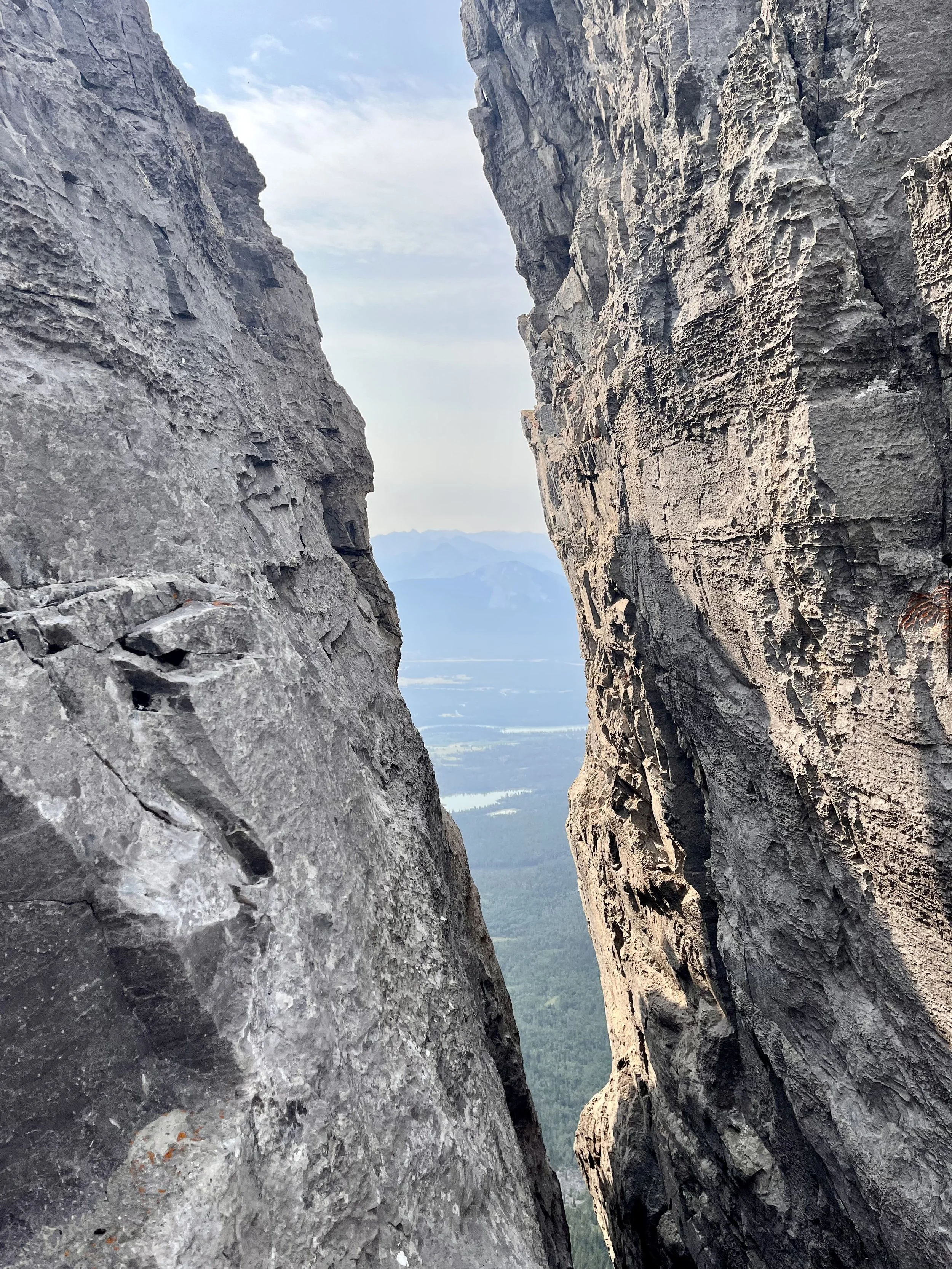
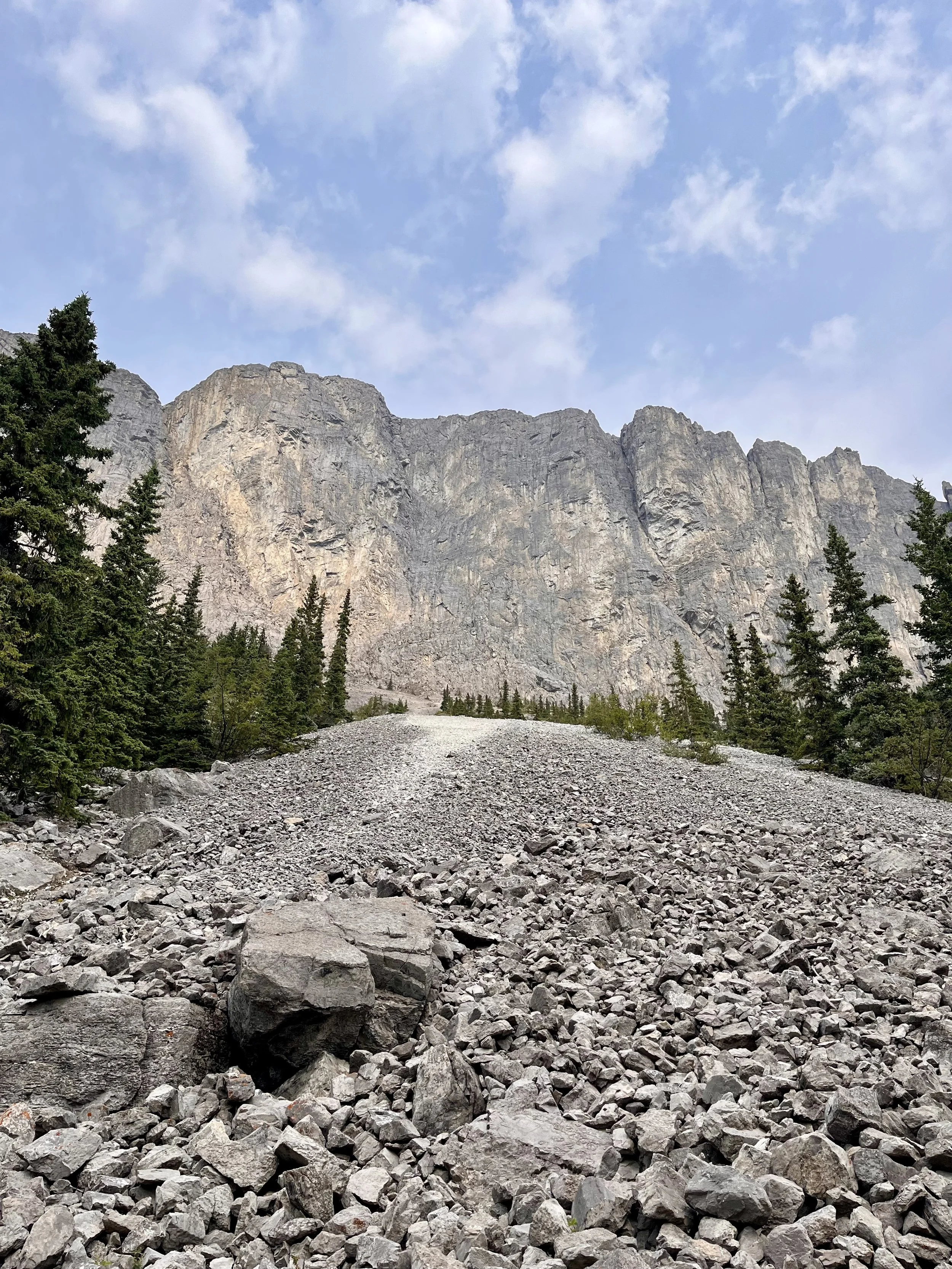
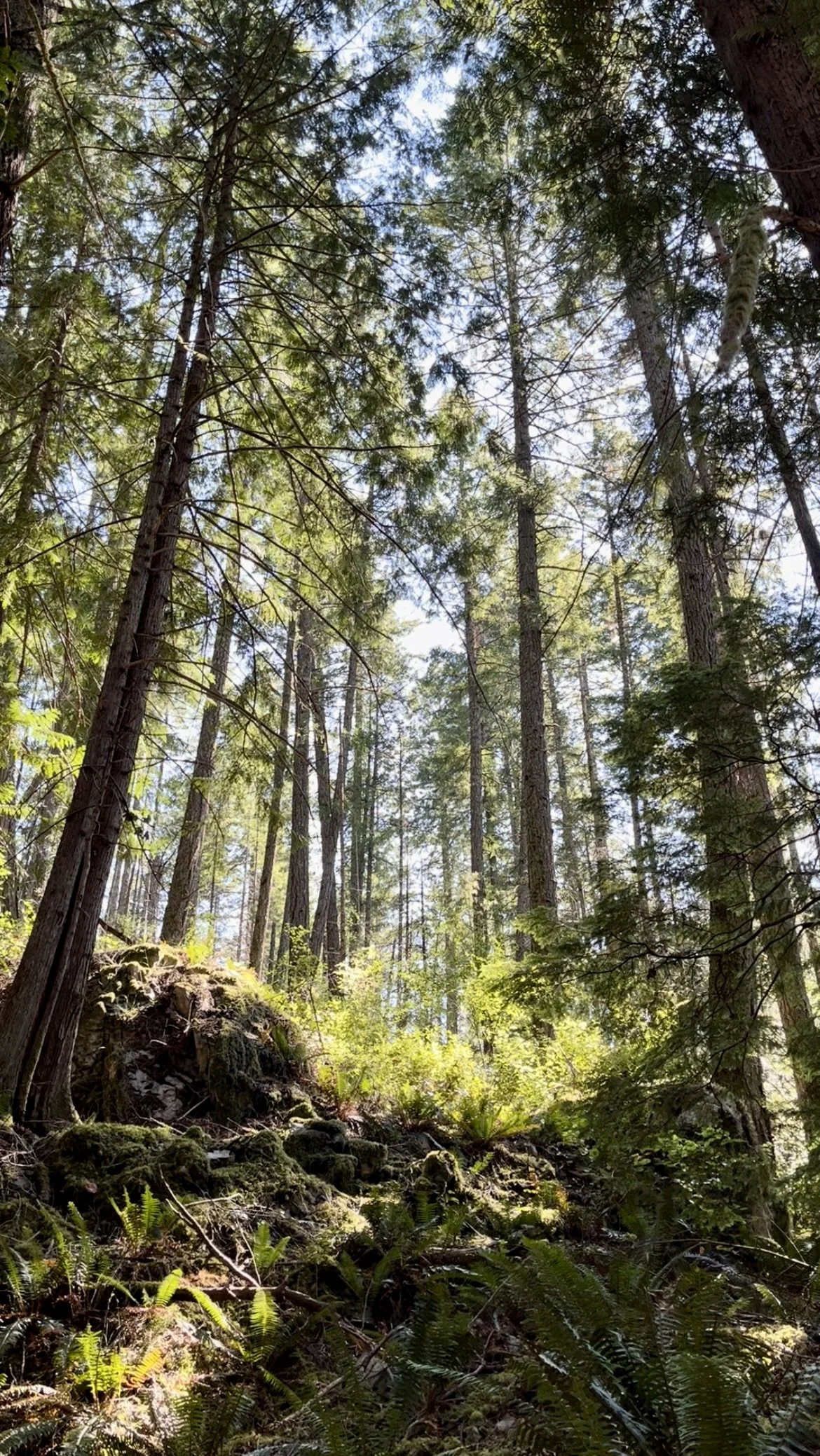
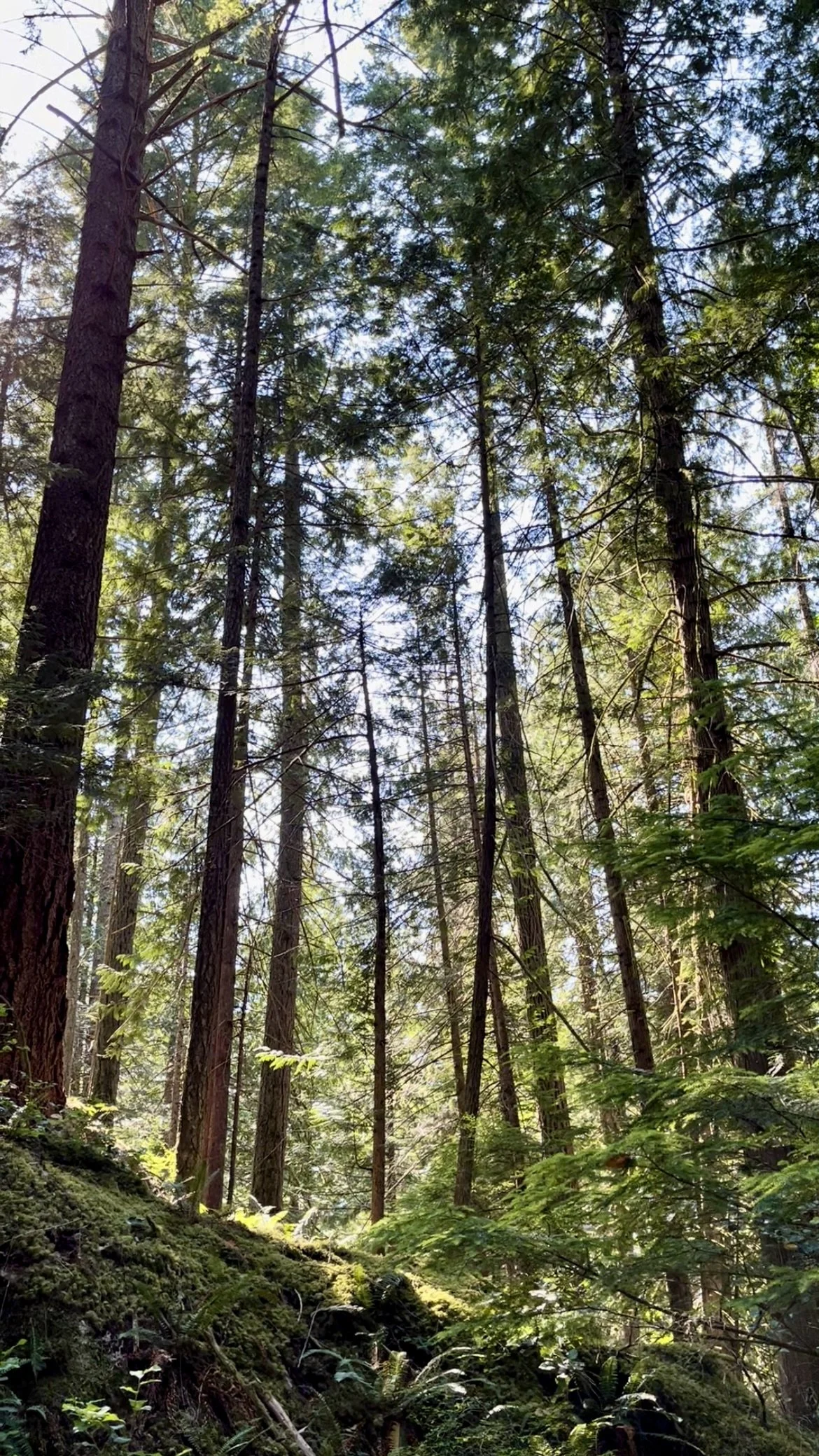
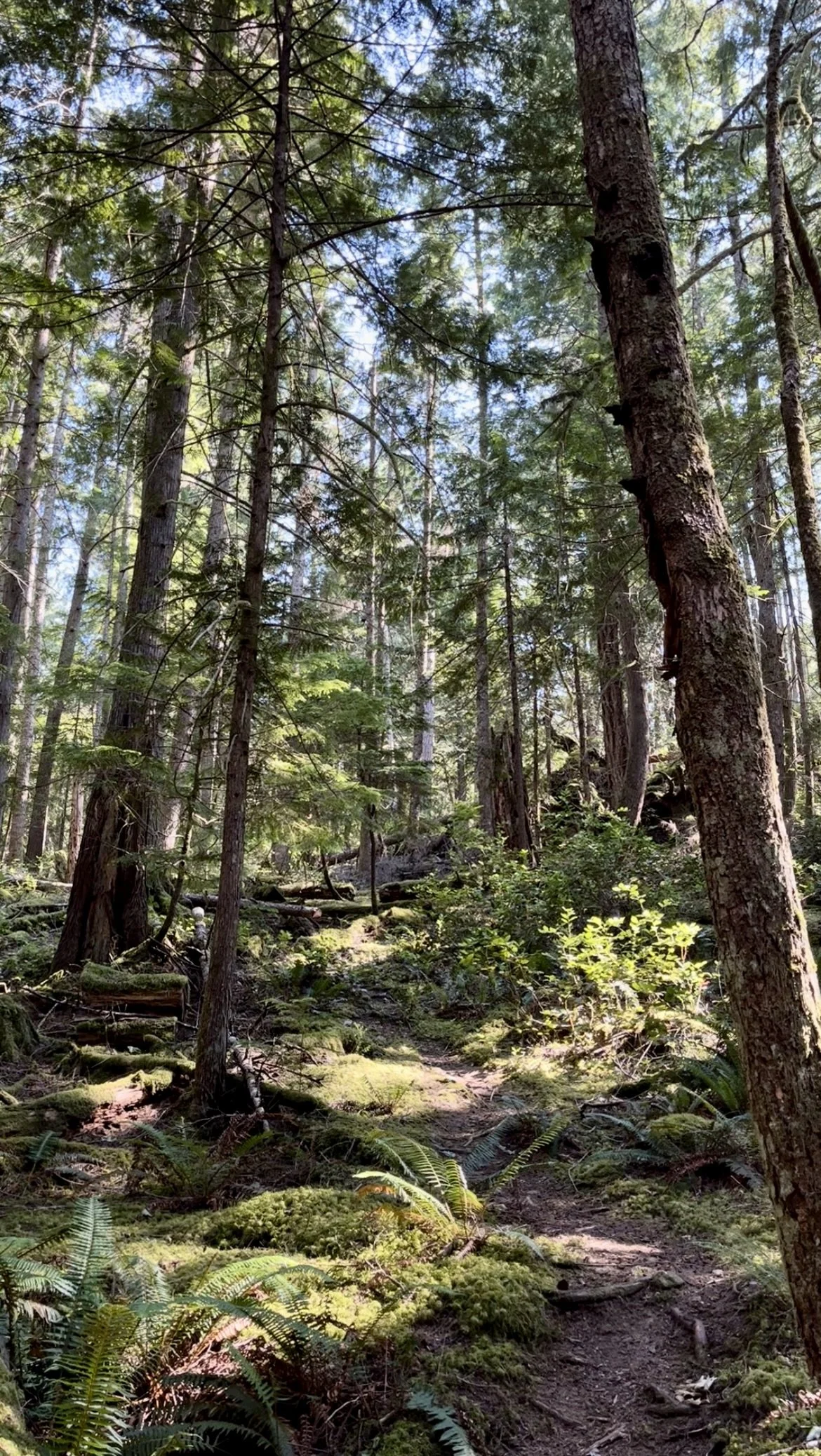
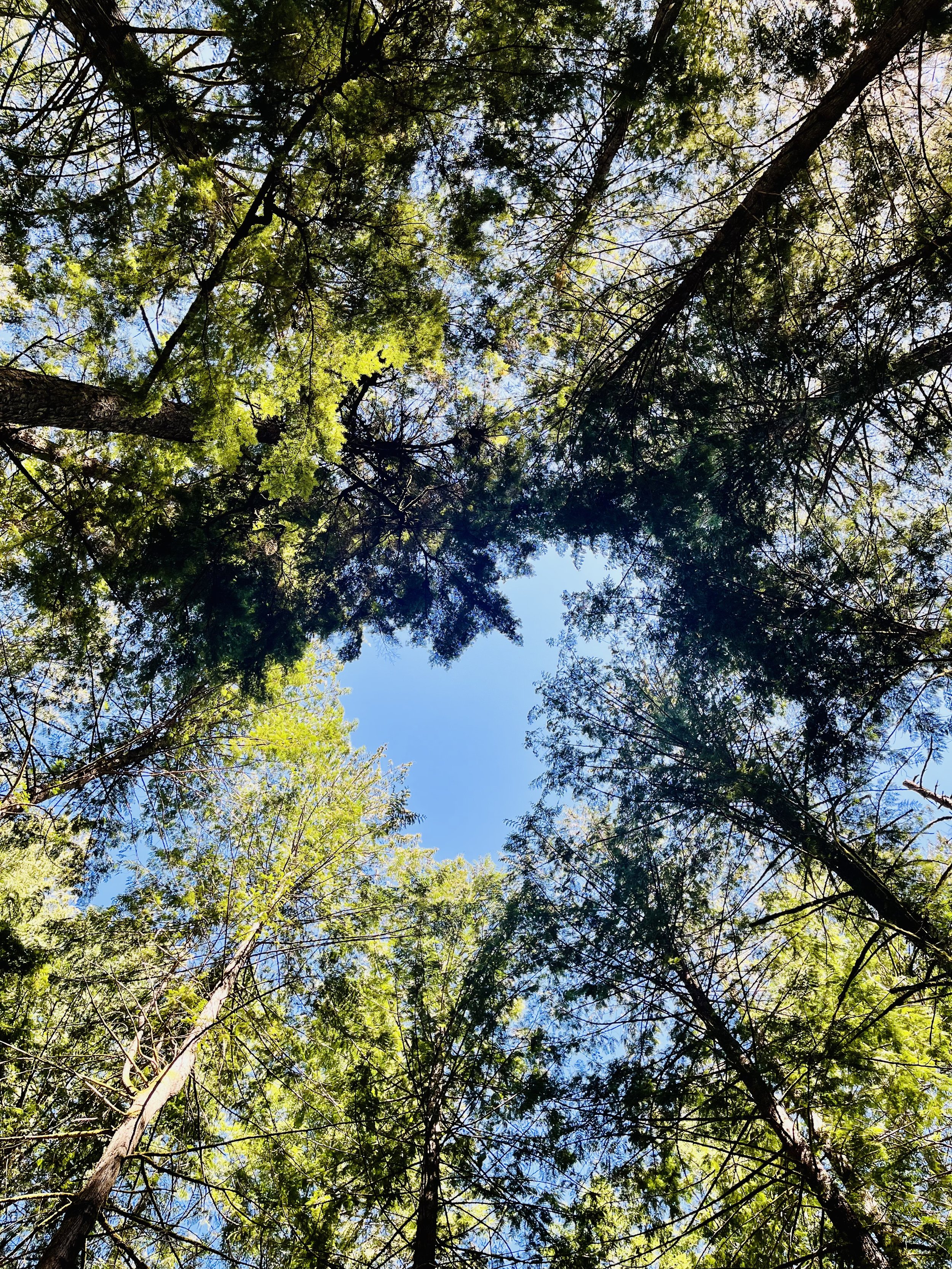
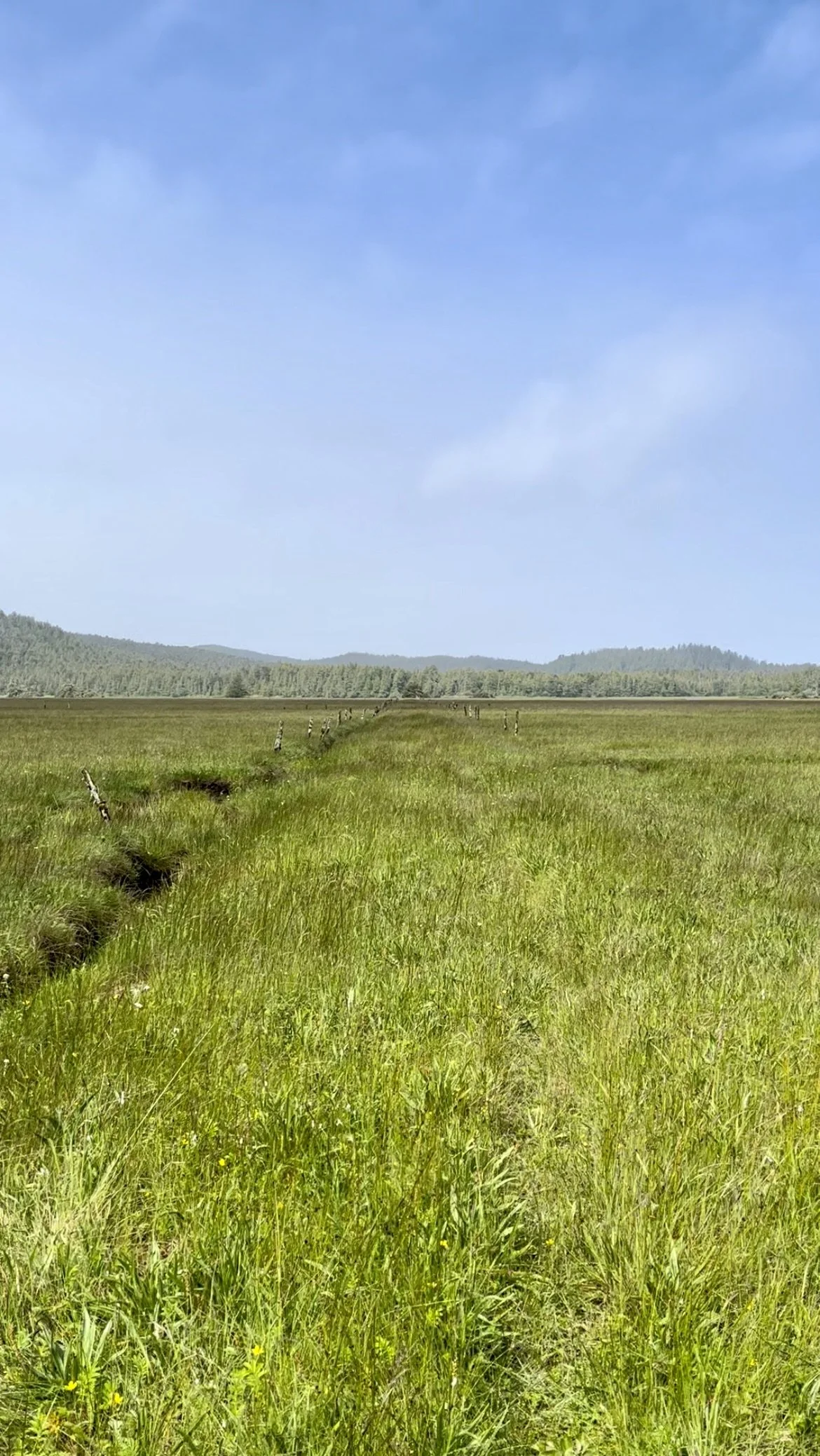
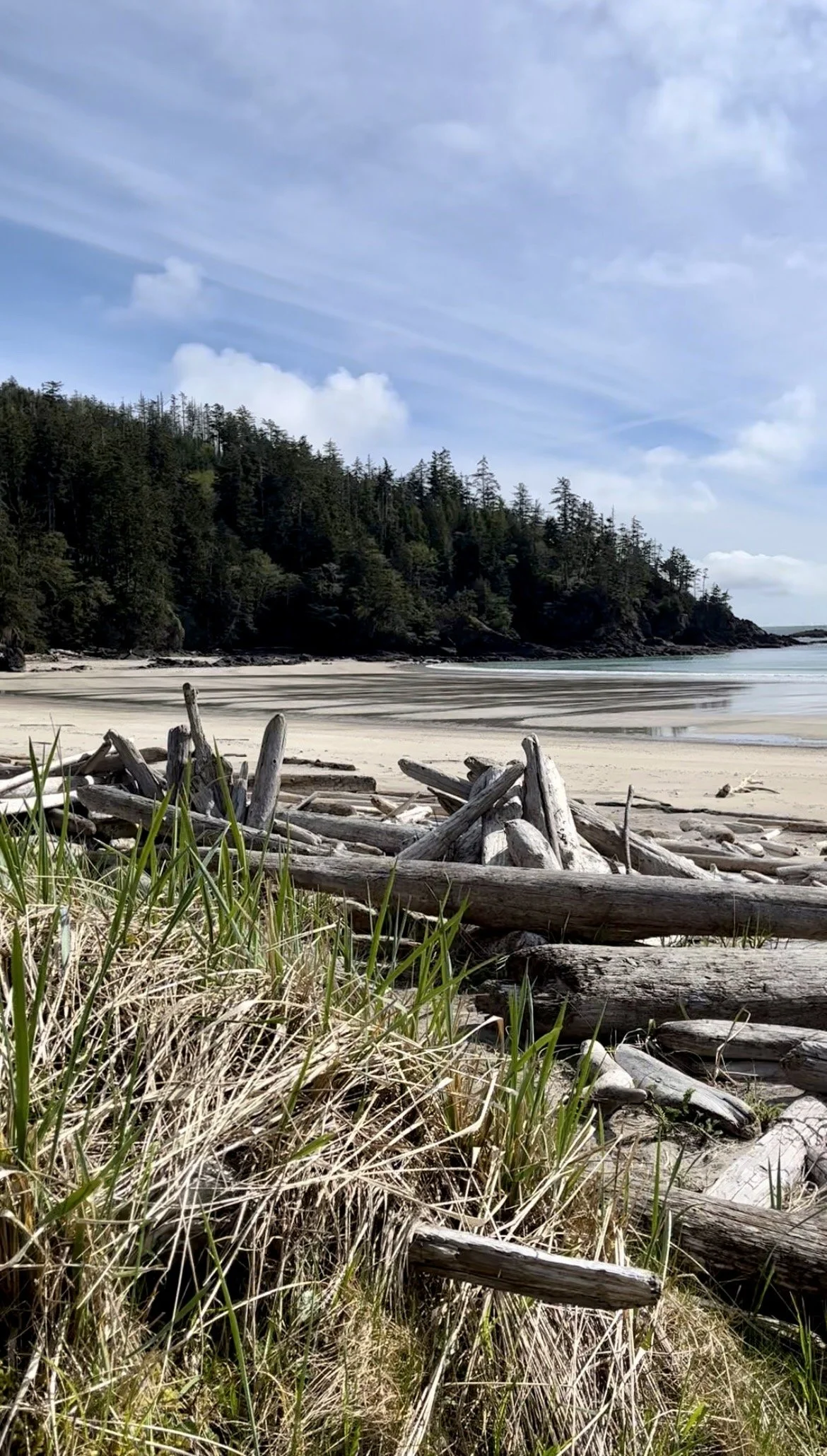
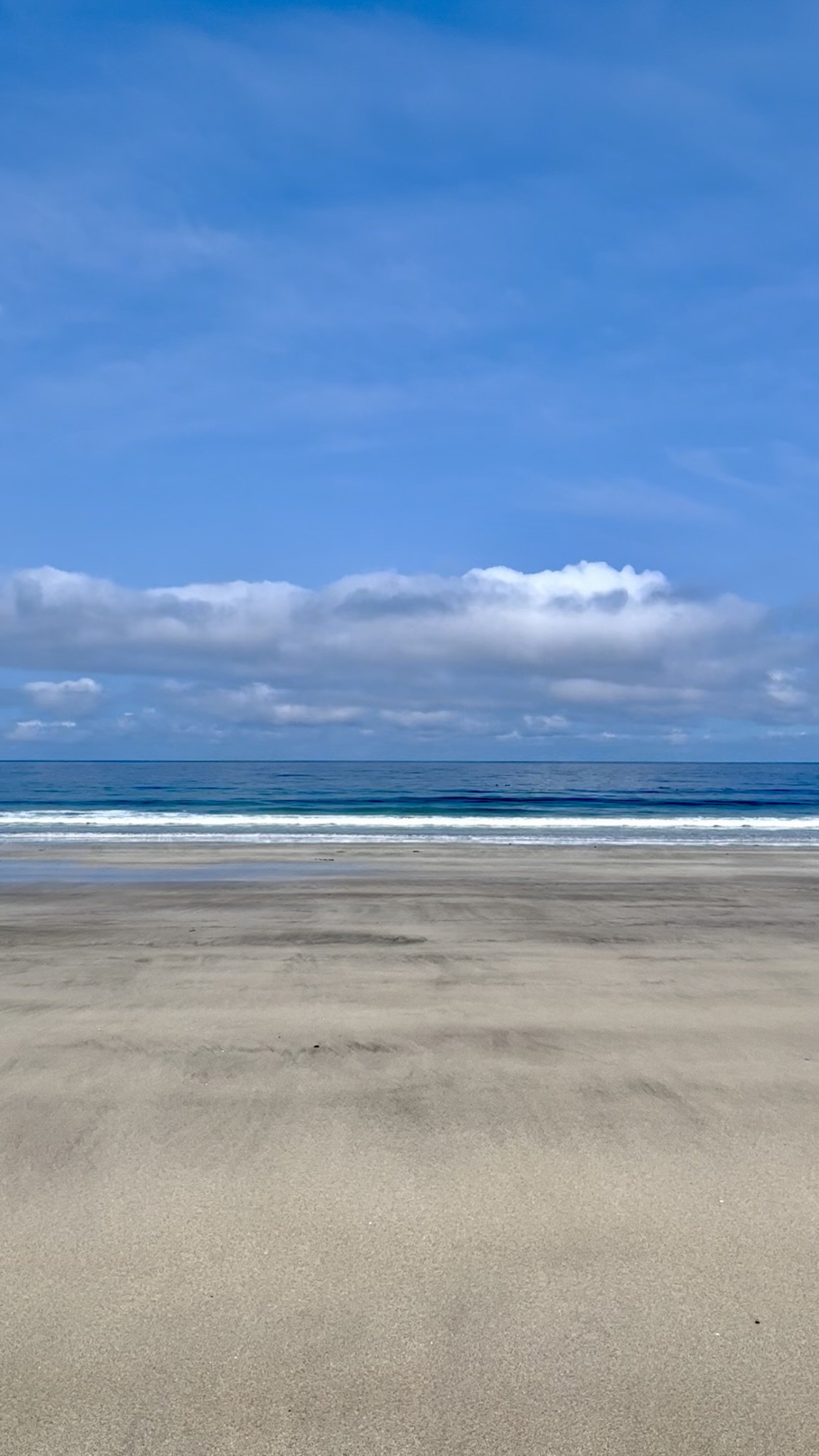
The character of the wilderness in HANNAH plays a central role in the telling of the story. As a writer, you write what you know, and the wilderness that is described in the book speaks to the wilderness that inspired me, when I was growing up: the wilderness of the prairies, the foothills, the mountains, and the West Coast. In HANNAH, much of the story unfolds within that wilderness and much of what is experienced there reflects the interior landscape of Hannah’s psyche, and the state of being that she finds herself in in the moment that she is called to her purpose.


How did you choose the title for your book, and what significance does it hold for you?
HANNAH could not have been titled any other way. Hannah emerged as the central character out of the chaos of story ideas that were swirling around my mind for a few years, and once she emerged, I could do nothing else but to follow and explore the world out of which she was born.
It is significant in that it reflects accurately what the book is about, which is the interior life of Hannah, and how she comes to ‘know’ herself through the emotional journey she goes on. As well, it is significant as it relates to the process in which I write—which is to begin with the characters, and to serve the circumstances of their lives: Circum - ‘about; around;’ Stance - ‘the way in which someone stands.’ This is Hannah’s story—‘here she stands.’
Were there any themes you consciously set out to explore in this book?
Only the themes that arose out of understanding the circumstances of Hannah’s life. From a very young age Hannah experienced a great deal of loss, but also a very special kind of love and relating to the world and to the people whom she had relationships with. For Hannah, the crux of that dynamic is that it was the loss of those loving relationships specifically that haunts her; and in the case of her brother Charlie, especially, through tragic circumstances.
To understand Hannah’s grief requires living at the heart of that loss, and the fragmentation that it has created in her psyche—and to listen in those places where she now finds herself most alone. The story begins in the moment that she is called to her purpose, and in that call she learns that she is bound to her promises—the promises to those that she lost, but most importantly the promise she made to herself.
Very often in our lives, if we are lucky to know such relating, the disappearance of those people can make us feel lost: There is a missing person inside of Hannah, and she goes in search of that part of herself, gathering the bones of her life as she does—her spirit guides, if you will—so that she may one day find the place where it is time for her to sing over those bones.
What research did you conduct for this book, and did you uncover anything surprising or fascinating?
In the case of HANNAH there was a lot of reading about the time and place that her selected life begins: Listening to the music, and watching many films of the day—along with listening to the music and watching the films that the characters would have grown up experiencing for themselves in their day; Spending time with the artists and the compositions that live in the story that I tell; Going out and experiencing the wilderness and the terrain that I write about in the book for myself. These are a few of the components that were integral to the research I did.
The story is told in 1967, which I always had a sense of being a historically and culturally significant moment in the world of popular music, and most especially for young people: The Beatles released the double A-side “Strawberry Fields Forever” and “Penny Lane” in February of that year; then Sgt. Pepper’s Lonely Heart’s Club Band followed in the spring, which included the song “A Day In the Life;” “I Am the Walrus” and “All You Need Is Love” came out later in the year; Bob Dylan released a Greatest Hits album, along with the album John Wesley Harding; and all throughout 1967 a plethora of debut albums were released by young artists, including—Jimi Hendrix, Cat Stevens, the Bee Gees, Pink Floyd, Van Morrison, David Bowie, The Grateful Dead, Velvet Underground & Nico, The Doors, and Leonard Cohen. Most of these musicians were 20, 21, 22, 23 years old. The following year or two was equally prolific, with debuts coming from Neil Young, Joni Mitchell, The Band, James Taylor, Townes Van Zandt, Creedence Clearwater Revival, Led Zeppelin, Crazy Horse, Nick Drake, and so on. It was a watershed in popular music, and a fascinating moment culturally—spearheaded by young people who hadn’t yet reached the age of 25 years old.
But what surprised me was, that possibly one of the most enduring musical performances of that time came from the classical world, in the form of a young cellist—Jacqueline du Pré— who performed as soloist on the Elgar Cello Concerto in the summer of 1965, when she was only 20 years old. It is a performance for the ages, and was as immediate, present, alive, and new as anything being created in the world of popular music and rock n roll, at the time: she was a ‘rock star’ in the world of classical music, the way I imagine Mozart would have been when he was young—prodigious in her talent, in her mastery of the instrument, and in the accessibility of her interior life.
What is fascinating about her performance, unlike the music that was being written and created by her contemporaries at the time, is that she is performing a piece of music that was written 46 years prior—born out of war, and tragedy, and which saw an enormous loss of life, particularly the lives of young people who were sent to fight on the front lines of a war—but, in her playing, it was as if the music was being written in that moment.
When the piece was originally premiered in 1919, for different reasons, it was a flop—and never really found its place in the world. Yet, the composer Edward Elgar himself was convinced that the music was the best thing that he ever wrote—in particular the first theme: a wistful lament that we hear played in the first movement of the piece. By 1965, nearly half a century later, a 20-year-old cellist announces herself to the world and in the process completely transforms how the world has come to know and embrace this music. Most cellists today will tell you that it is one of the very best pieces of music ever composed for the cello. And nearly all will say that the performance that was given by Jacqueline du Pré in 1965 is the reference point for all soloists who have come after.
Hannah hears this music when she is 19 years old, and it haunts her. It haunts her until she is able to find expression for it in her own way, and the piece, along with the history of it, become a part of the emotional journey that Hannah goes on.



How do you approach world-building in your writing?
I begin with the characters: I try to understand their circumstances, their relationships, and the emotional conflict that those dynamics create. Beyond an attempt to understand who they are, that exploration will invariably lead me to understand the time and place in which their selected lives begin. Their experience, both within and without, informs the world that they inhabit and ultimately the world that they seek to create for themselves.
Do you think about your audience or write primarily for yourself?
I think about the needs of my characters given the circumstances of their lives, and the relationships that exist within the world that they create and inhabit.
Are there any characters in the book that you relate to on a personal level?
I relate to all of them, otherwise it would not have been possible for me to write for them in the book.
How did you approach writing dialogue, and how do you go about crafting authentic conversations?
Again, I begin with the characters—their circumstances, relationships, and the emotional conflict that arises between those dynamics. Once I’ve lived sufficiently at the heart of those circumstances and relationships, I begin to understand for myself what the characters needs are—what they want, what is in the way of what they want, and ultimately what the actions are that they take to get what they want.
The writing, including the dialogue, is born out of the circumstances and relationships, but more specifically out of the actions—the doing. It not only informs the kinds of conversations that the characters are having, but also colours the language with the emotions that are existing within them at the moment that they are in dialogue: In those moments I am listening from the point of view of both characters, and the authenticity comes from the specificity that I find within the dynamic of their relating.
Is there a particular scene or passage you’re incredibly proud of?
I have found myself going back to the second part of the book since writing it on different occasions. That’s where a lot of the dialogue I describe unfolds. The relating and sharing that Hannah experiences in that place is very comforting, and I feel comforted myself when reading it.
What was the most rewarding moment you experienced during the writing process?
The writing itself. Once Hannah emerged on the page, it was a joy to write for her, even in the moments that were challenging. In fact, the most rewarding moments in our lives are very often born out of challenging circumstances—and the story that the book tells mirrors that to some degree: The emotional journey that Hannah goes on in the book mirrors the process of self-discovery, and for me as the writer it was rewarding to experience what Hannah discovers there.

What was the most challenging scene for you to write, and how did you overcome it?
There is a degree of fragmentation that Hannah is experiencing in her psyche throughout the story, but that is more pronounced in the first part of the book. In that moment, she is experiencing a profound level of grief, and trying to understand its root causes and what she needs to do to alleviate the discomfort that she feels, and the distress that it is causing her. It marks the beginning of the emotional journey that she goes on, and that is the most important thing—that she goes on that journey.
The challenge in writing from that state of being is that there is a degree of spontaneity that is required in order to write those moments, and that is a spontaneity that Hannah is unable to locate within herself. Most fundamentally because she has not the support, or structure in her life to confront the chaos that she is living with. She is struggling to be alive and present with it, and yet, the psychic energy that lives at the heart of that chaos is what she needs—not only to survive—but, to overcome the obstacle that is keeping her from realizing her own person—her purpose.
To go back to what I said before, when you are 19, there is a rawness about how you are experiencing yourself in the world, so I understood that the challenge in writing those passages would require a rawness of emotion that will sometimes disfigure the perfect image of the prose that you may have in mind. In the same way that we have a perfect image of ourselves that keeps us from touching on those emotions in the first place for fear that things won’t look the same after.
At some point, I just had to let that go, and trust the structure that I had built with the outline—trust that the spontaneity I needed to write those passages would be there—and allow for what I experienced there, with all of its contradictions, to exist on the page.
Were there any authors or artists that you drew inspiration from in the writing of this book?
Many of the artists that I’ve already mentioned, and as it relates to the story being told, specifically the works of art that feature in the book. Going back to our discussion of the research that I did, to do with the time and place that Hannah’s selected life begins, it was important to familiarize myself with the idiom of the day, and the idiom that the characters would have grown up with themselves. So, I looked at cultural touchstones and the stories being told that would have influenced them in their youth, as I said—books they might have read, films they have might seen, the music they would have listened to.
Can you speak again and more specifically about those cultural influences, then, that shaped the world or characters in your book, and how that influenced the story you tell?
Yes, I can, and that was one of the great joys of writing the book for me, not least of all because the music and art of that time has been such a big touchstone for me in my life…
Specifically, I remember the first time I heard Jacqueline du Pré’s 1965 performance of the Elgar Cello Concerto. I recognized immediately that there was something very special about her playing, even if I couldn’t tell you the first thing about the cello. At the time I didn’t know that she was only 20 years old when she performs it. When I started to research the piece, and her performance of it, it struck me that it could only have been born out of that time: The cultural moment that she was in—the same cultural moment that gave birth to the great artists I mentioned before—through the “birth of rock n roll,” the “British invasion,” and the “swinging sixties” of London—it was a youth movement, and young people were empowered to not only express themselves creatively, but the art that they were creating was being celebrated en masse.
Being young is about being in the moment, the ‘eternal living now,’ and the performance that Jacqueline du Pré gives is, as Hannah says in the book, ‘so present, and alive.’ Together with the London Symphony Orchestra, and the conductor Sir John Barbirolli, she unearths a piece of music that in many ways had been buried for 46 years. She uncovers it—lifts it from the grave, actually—and brings it into the light of day. There is something transformative in her playing, and in her playing she transforms a piece of music to such an extent that her performance now is a reference point for all other cellists who have come after—60 years after the recording was made… There is something in that that speaks to the emotional journey that Hannah goes on in the book.
At any given moment in time there is a dynamic that is being played out between the old and the new—but it is not always clear which is which, and when you are young, you may be inclined to dispense completely with the old. That is not the case with the performance that Jacqueline du Pré gives, however, and perhaps that is what makes it stand the test of time: Her performance is not without limitations—she doesn’t reject the old. Rather, she embraces the tradition out of which the music was born, works within its structure, and brings her own vitality to the piece in such a way as to reflect its universal aspects and beauty as if it had been composed in the moment of her playing it.
That speaks to many things: it speaks to her musical genius to be sure, and to her maturity as a young artist; as well, it speaks to the empathic and telepathic relationship that she shares with the conductor, and to his history with the composer and to the piece. But mostly, I think, it has something to do with the time out which her performance is born, and of the availability to the moment that young people found themselves in at that particular time in history… clearly there was some kind of confluence of timing and movement in the stars, and a certain kind of freedom that they felt—at least free enough to express it.
I mean, all you have to do is listen to the lyrics of “Mr. Tambourine Man,” which came out in the same year, 1965, to get a sense of it. The performance that Jacqueline du Pré gives is timeless, and as Hannah says in the book, ‘you can hear eternity singing.’ That music, and her performance of it, mirrors in many ways the emotional journey that Hannah is on, and calls her to her purpose; a purpose that reminds her that ‘life isn’t about finding yourself, life is about creating yourself.’ Or, as Bob Dylan sings, ‘I’m ready to go anywhere, I’m ready for to fade / Into my own parade / Cast your dancing spell my way, I promise to go under it…’ and ‘Let me forget about today until tomorrow.’ That was the ethos of the time, and it is the ethos of rock n’ roll: be here now.

What would be essential to preserve if your book were adapted for film?
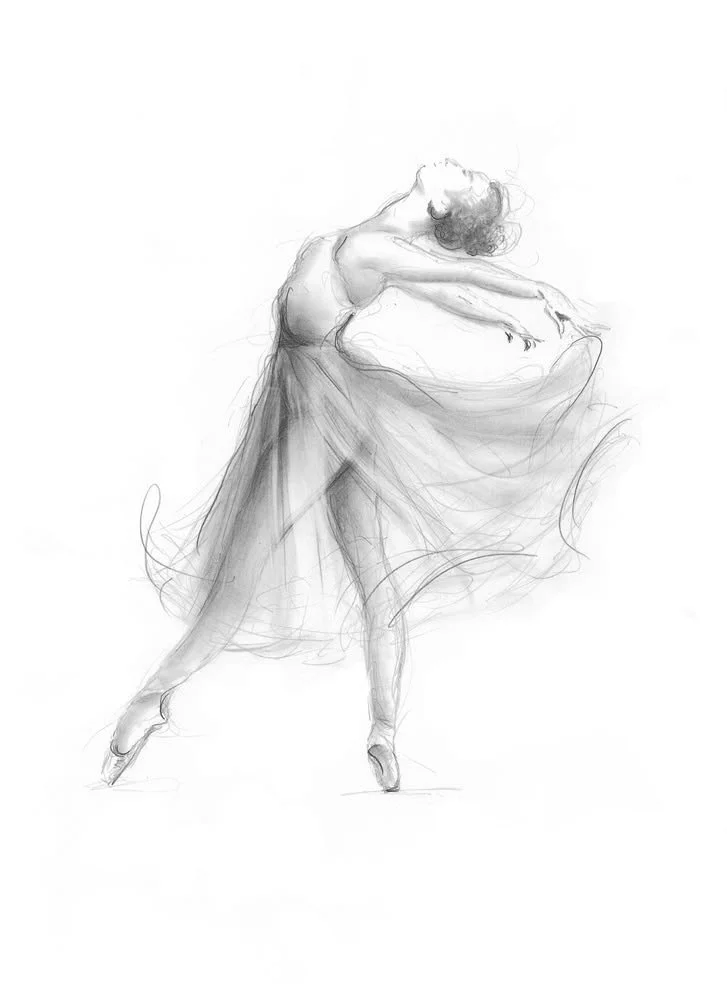
The emotional core. The relationships within. The character of time and of place. The wilderness. The music. And the dancing.
What do you think makes your book stand out?
Hannah’s story is emotionally impactful. Those are always my favourite stories. The characters and the relationships are resonant, and the world in which the story unfolds is vital and alive.
Many writers describe the strange experience of rereading their work years later. What aspects of this book might surprise your future self?
If I knew the answer to your question now, it would hardly come as a surprise to my future self! Following the thread of our conversation around the structure of the work itself, my hope is that I will find it to be as spontaneous, playful, and emotionally impactful as I do now.
How do you hope the book will impact your readers?
In the same way that Hannah is impacted by the emotional journey that she goes through.
What are you working on next?
I’m writing a piece for the theatre.
A Look Inside (Part Two)
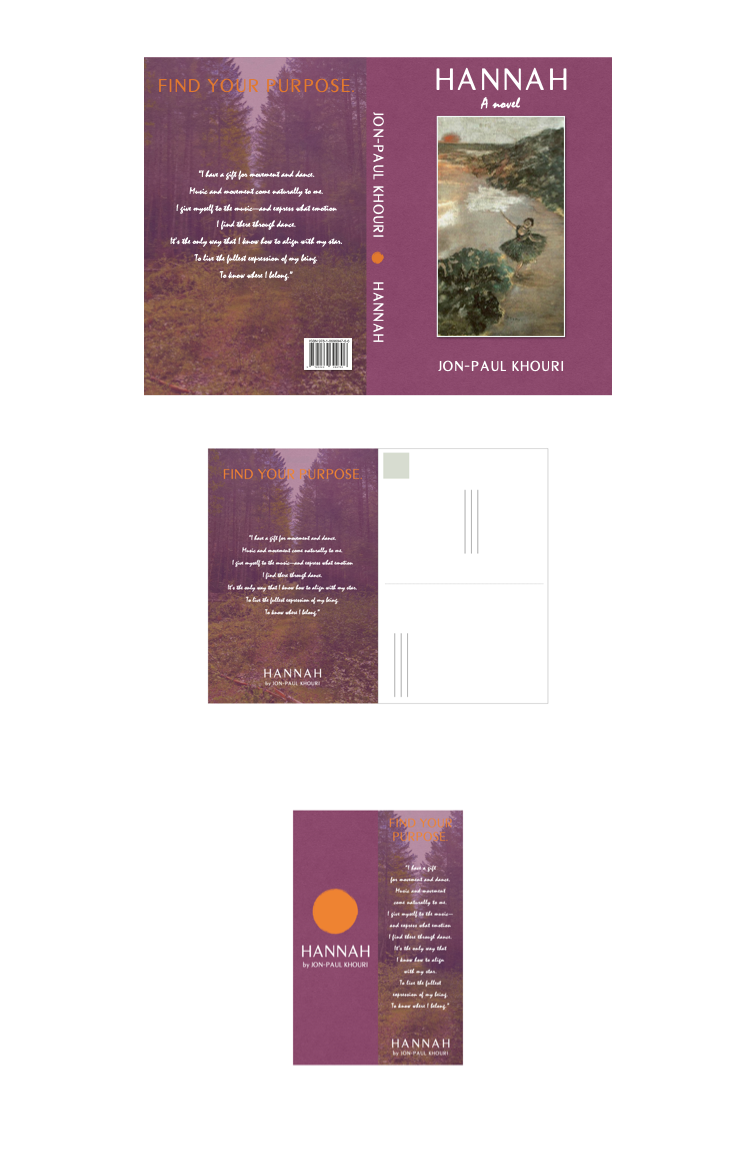
The book cover and interior for HANNAH is designed by JON-PAUL KHOURI, including the typeface—which has been carefully chosen to reflect the time and place that Hannah’s selected life begins. The fonts and font hierarchy that are used were designed to express Hannah’s interior landscape and give poetic resonance to the story that lives there.
A similar intention guided the choice of cover finish, and features a cover printed using matte ‘soft-touch’ lamination for a smooth, suede-like finish—that is both elegant and durable. It is resistant to scuffs and scratches, and is appealing to the touch—qualities that express the dynamics that live at the heart of the story that HANNAH tells.
It was important that these qualities live on the page of HANNAH in finish as well, while at the same time ensuring visual clarity and contrast for the reader. As such, the interior is printed on premium paper stock for a smooth finish, superior opacity, and brightness balanced for sharper text.
The design elements that feature on the cover, art print/postcard, and bookmark were created by the author, and the photograph on the back cover was taken by the author, as well. Both the art print/postcard and bookmark have been printed using matte art stock—making the materials as appealing to the touch as they are to the eye.
HANNAH is available for purchase exclusively through the website. The signed edition of the book comes complete with the art print/postcard and bookmark. HANNAH, the debut novel from JON-PAUL KHOURI, is available for purchase now.